What is the Equivalent of an LLC in the Netherlands?
4 Min
December 29, 2025
Author:
Garry
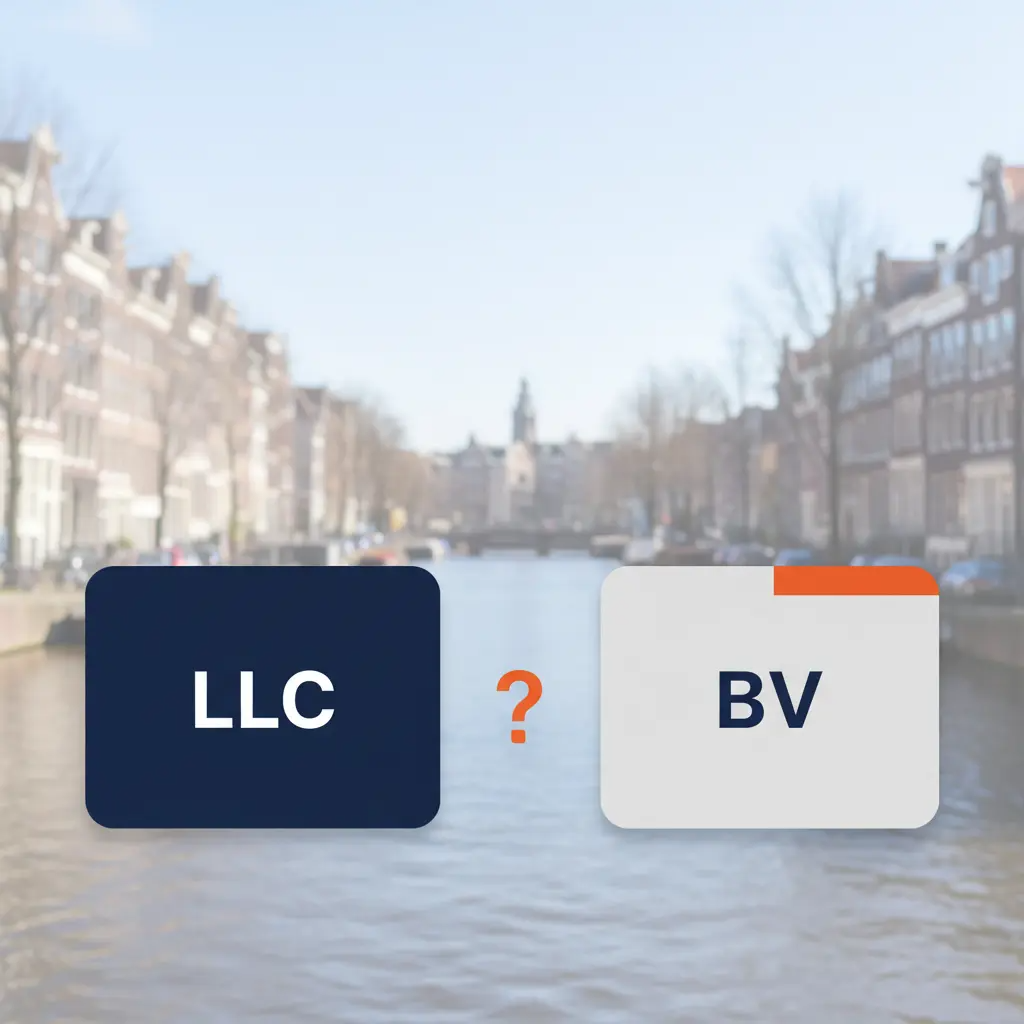
When international founders plan to enter Europe, this question comes up almost immediately: what is the equivalent of an LLC in the Netherlands? We hear this almost every week. Founders from the US, UK, Middle East, and Asia already understand how an LLC works. Limited liability, flexible ownership, and simple structure. Naturally, they expect something similar when moving to the Dutch market.
This is where confusion usually starts. The Netherlands does not use the term LLC at all. There is no company type officially called an LLC here. Still, that does not mean the structure you need does not exist. It just works under a different name and legal framework. Many founders assume they need something complex or risky. In reality, the Dutch system is quite founder-friendly once it is explained properly.
At FirmNL, we explain this topic in very simple terms, without legal-heavy language. In this blog, we break down which Dutch company structure matches an LLC the closest, how it works in practice, and why most international founders choose it for EU operations. This will help you take the right decision before you register anything.
Why Founders Look for an LLC Equivalent in the Netherlands
Most founders who contact us already have experience with an LLC in their home country. They understand how it works, they trust the structure, and they want the same level of flexibility when expanding to Europe. So instead of asking “which company should I open,” they usually ask one simple thing: what is the Dutch version of an LLC?
We see this confusion mostly with U.S. founders, but not only them. UK, UAE, Indian, and Asian founders also use the term LLC as a reference point. For them, LLC means limited liability, simple ownership, and protection of personal assets. They are not looking for something fancy. They just want a structure that is safe, accepted, and practical for business.
The issue is that company structures are country-specific. Names change, rules change, but the purpose stays similar. Many founders worry that choosing the wrong structure in the Netherlands may affect taxes, banking, or even credibility with EU clients. This is exactly why understanding the equivalent, not the name, matters more.
This is where we usually step in at FirmNL. We help founders stop comparing names and start comparing functions. Once that shift happens, the Dutch system becomes much easier to understand.
Dutch BV vs LLC: Key Similarities and Differences
When founders compare a Dutch BV with an LLC, they are usually not comparing legal theory. They are comparing how the structure behaves in real business. This is why we like to break it down into simple points.
Where a Dutch BV and an LLC feel similar
- Both offer limited liability, so personal assets stay protected
- Both allow single or multiple owners
- Both can be owned by foreign individuals or companies
- Both separate the business from the founder legally
- Both work well for operating companies and holding structures
This is why most founders feel comfortable with a BV once they understand it.
Where the difference usually matters
- A Dutch BV is always a separate taxable entity
- An LLC may have pass-through taxation, depending on country
- A BV is the standard and expected structure in Europe
- Banks, investors, and EU partners recognize a BV immediately
- Compliance and reporting in a BV is more structured, but also clearer
In practice, this structure brings stability. Founders who plan long-term EU operations often prefer clarity over flexibility. This is something we see again and again.
At FirmNL, we help founders focus on outcomes, not labels. When you compare how both structures actually work in day-to-day business, the Dutch BV fits the role of an LLC very naturally.
Once a Dutch BV is established, founders also need to understand UBO registration requirements in the Netherlands, especially when ownership is split between several individuals or companies.
Why the Dutch BV Is Preferred for International Business
Once founders understand that a Dutch BV works like an LLC, the next question usually is: why do so many international businesses still choose it instead of keeping a foreign structure? The answer is practical, not legal.
From our experience at FirmNL, the BV fits very well into how business is done in Europe. It is not just accepted, it is expected. This matters more than most founders realise in the early stage.
Here is why the Dutch BV is preferred for cross-border and EU business
- Strong EU credibility : A Dutch BV is instantly recognised by banks, payment providers, suppliers, and clients across Europe. There is no extra explanation needed.
- Easier banking and payments : Opening a European business bank account is much smoother with a local BV compared to using a foreign LLC.
- Clear VAT and tax positioning : The BV fits cleanly into the EU VAT system, which is critical if you sell goods or services in Europe.
- Investor-friendly structure : European investors and partners are very familiar with BVs. Shareholding, exits, and profit distribution are clearly defined.
- Works well for scaling : Whether you add staff, open warehouses, or expand to other EU countries, the BV structure supports growth without restructuring.
Many founders start with the idea of “just testing Europe.” What they realise later is that Europe rewards proper structure from day one. The Dutch BV gives that foundation without making things complicated.
When a Dutch BV Makes More Sense Than an LLC
Not every business needs a Dutch BV immediately. But in many real-life situations, using an LLC for European operations starts creating friction. This is where founders usually come back to us and say, we should have done this earlier.
Based on what we see at FirmNL, a Dutch BV makes more sense than an LLC in the following scenarios:
A Dutch BV is the better choice when:
- You plan to sell to EU customers on a regular basis
- You need a VAT number and ongoing VAT compliance
- European clients or partners ask for an EU-registered entity
- You want to open a European business bank account without delays
- You are building a long-term presence, not a short test
- You plan to hire staff or use EU logistics and warehousing
- You want to create a holding + operating structure for Europe
Many founders try to run everything through a foreign LLC first. On paper, it looks cheaper and faster. In practice, it often leads to rejected bank applications, VAT complications, and trust issues with EU partners.
We usually explain it like this:
An LLC can work for global operations, but Europe prefers local clarity. A Dutch BV provides that clarity without locking you into something rigid.
This is why timing matters. Setting up a BV early often saves time, cost, and restructuring later.
How FirmNL Helps Founders Choose and Set Up the Right Structure
By the time founders reach this point, most of them are clear about one thing: the Dutch BV is the practical equivalent of an LLC in the Netherlands. What they are unsure about is how to set it up correctly, without making mistakes that show up later with tax, banking, or compliance.
This is where we step in at FirmNL.
We do not just register companies in netherlands. We help founders choose the right structure for their exact situation. That includes checking where your customers are, how revenue will flow, whether you need VAT immediately, and how the BV should be positioned for future growth.
How we support you at FirmNL
- We assess whether a Dutch BV is the right move now or later
- We handle the full Dutch BV incorporation remotely
- We guide you on shareholding and structure, including holding setups
- We support VAT, EORI, and tax registrations where required
- We assist with banking and compliance onboarding
- We stay involved after setup, not just at registration stage
Founders often come to us after facing issues with banks, VAT authorities, or partners. Our goal is to prevent those problems before they start. A good structure saves time, money, and stress.
If you are planning to enter the Dutch or EU market and want clarity instead of assumptions, we are happy to guide you. Getting the structure right from day one makes everything else easier.


Ready to Launch
Your

Dutch Business
Dutch
Business
FirmNL specializes in helping foreign entrepreneurs establish a presence across the EU. From Dutch BV incorporation to tax compliance, sales outsourcing and EU fulfillment — we provide solutions tailored to your goals.