What Happens When an EU Customer Rejects an International Shipment?
4 Min
November 12, 2026
Author:
Garry
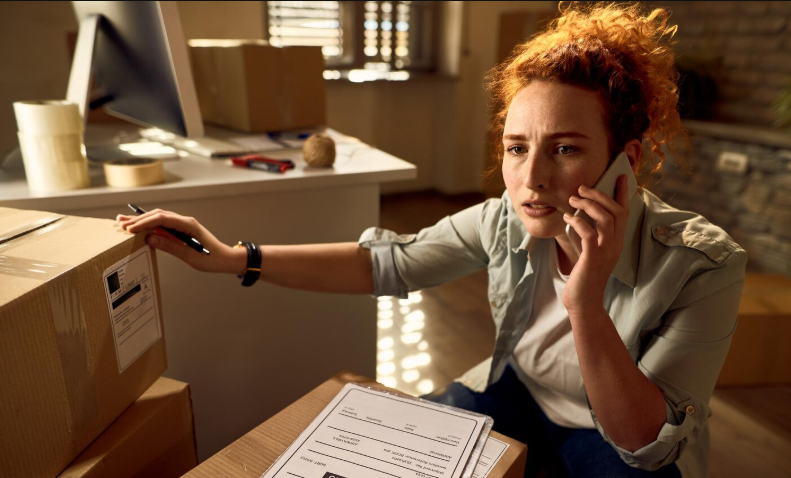
When an EU customer refuses to accept a shipment, the seller has to decide what to do with the goods. The products may need to be sent back, delivered to another customer, or stored in Europe. All these options can cost extra money, especially if the seller's business is based outside the EU.
Imagine your business sends a large shipment of products to a customer in the Netherlands. But when the shipment arrives, the customer refuses to accept it. This may be because they do not want to pay the import VAT or customs duties. They may also have received damaged goods, the wrong products, or items they did not order. As a result, the delivery cannot be completed, and the goods stay with the delivery company or in a customs warehouse.
Your business now needs to decide what to do with the goods. The delivery company may charge you for storing them. You may also need to pay to send the goods back to your country or deliver them to another customer. Handling these problems from outside the EU can be difficult, and if you do not act in time, the goods may be treated as abandoned.
A rejected shipment can cost your business more than just the lost sale. You may have to pay extra shipping charges, storage fees, and customs costs. You may also face problems getting back the import VAT you have already paid.
That is why it helps to plan. When a customer in the EU refuses your package, you can fix it more easily if you have the right business registrations, know how returns work, and have somewhere in Europe to keep or resell the goods. This saves you time, and it saves you money.
In this guide, we explain why EU customers refuse international packages, why EU customs may reject shipments, and what happens to the goods after a rejection. We also explain what sellers can do next, who has to pay the extra costs, and how to prepare before shipping products to EU customers.
What Does It Mean When an EU Customer Rejects an International Shipment?
When an international shipment is rejected, it does not always mean the same thing. It can happen in three different ways. The customer may refuse to accept the delivery, customs may stop the shipment, or the customer may return the goods after receiving them. Each situation is different and requires different steps to solve the problem:
1. The customer refuses the delivery
The delivery company arrives at the customer's address with the shipment, but the customer refuses to accept it. The delivery is not completed, and the goods stay with the delivery company. The seller must then decide what to do with them.
2. EU customs stops the shipment
Sometimes, the problem is not with the customer. Customs may stop the shipment because documents are missing, details are incorrect, or import rules have not been followed. The goods are held at customs until the seller or importer provides the required documents or solves the problem.
3. The customer returns the goods after delivery
In this case, the customer first accepts the shipment but later decides to return the goods. This may happen because the products are damaged, incorrect, or not what the customer expected. The seller must arrange for the goods to be sent back and handle the paperwork for their return to the country of origin or another location.
Why Would EU Customs Reject Your Shipment?
Sometimes, the customer is ready to receive the goods, but customs does not allow the shipment to continue. This usually happens when the seller has not completed the required paperwork, provided the correct details, or followed EU import rules. As a result, customs holds the goods until the problem is solved. Here are four main reasons why it happens:
1. Missing or incorrect documents
Customs needs clear information about the shipment. It must know what products are being sent, how much they cost, and where they were made. If the seller does not provide an invoice, gives unclear product details, or enters the wrong product value, customs may stop the shipment.
2. No EORI number or clear importer
An EORI number is a registration number that businesses need for many customs activities in the EU. It helps customs identify the business responsible for importing or exporting goods. If the shipment does not have the required EORI details or a clear importer, customs may hold the goods until the issue is resolved.
3. Products do not meet EU rules
Products entering the EU must follow certain safety and labeling rules. For example, electronics may need safety markings, while food, cosmetics, and toys must meet specific requirements. If a product does not meet these rules, customs may stop it from entering the EU, even if it can be sold legally in the seller's home country.
4. Import VAT and customs duties are not paid
When goods enter the EU, the seller or importer may need to pay import VAT and customs duties. If these taxes are not paid, customs may hold the goods until the payment is made.
What Happens to the Goods After a Shipment Is Rejected?
When a customer refuses a shipment, the goods do not automatically go back to the seller. The delivery company keeps them until the seller or importer decides what to do next. During this time, storage and other charges may apply. Here is what usually happens after a shipment is rejected:
1: The delivery company cannot deliver the goods
The delivery company records that the customer has refused the shipment. It may try to deliver the goods again. If the customer still refuses, the company contacts the seller and asks what to do with the shipment.
2: The goods are kept in storage, and charges may apply
The delivery company moves the goods to a storage facility or customs warehouse. It may charge the seller for keeping the goods there. The seller may also have to pay handling and return shipping charges. The longer the goods stay in storage, the more these costs can increase.
3: The seller must decide what to do with the goods
The seller or importer must tell the delivery company what to do next. The goods can be sent back to the seller, delivered to another customer, or moved to a storage location in Europe. Businesses may need transportation services across the EU to coordinate the movement of returned goods between locations.
4: What happens if the seller does not respond?
If the seller does not give instructions within the allowed time, the goods may be treated as abandoned. Depending on the situation, customs authorities may arrange to sell or destroy them. The seller may still have to pay the storage and other charges. This means waiting too long can lead to a bigger financial loss.
Why Sellers Without an EU Presence Lose More
Two sellers may face the same shipment rejection but lose different amounts of money. The main difference is whether they have a business address, warehouse, or local support in Europe. Sellers with a presence in the EU can often handle rejected shipments faster and avoid some extra costs. Here is why:
1. Sending goods back takes more time and money
If your business is based outside Europe, returning the goods can take several weeks. During this time, you cannot sell those products to another customer. But if your business has a warehouse in Europe, you can send the goods there, store them, and prepare them for another sale much sooner.
2. Getting import VAT back can be difficult
If you have paid import VAT, you may be able to claim it back in certain situations. However, you need the right documents and registrations to do this. If your business does not meet these requirements, you may not be able to recover the tax you paid.
3. It takes longer to solve problems
When a shipment is rejected, you may need to contact the delivery company, customs, or a warehouse to decide what happens next. These companies work in European time zones and may communicate in local languages. If your business is based far away, it can take longer to get information and give instructions. Having someone in Europe to handle these issues can help you respond faster and avoid extra charges.
How to Prepare Before You Ship to the EU
A little preparation before shipping can help you avoid rejected deliveries and extra costs. Here are five important steps to follow:
1. Get an EORI number:
An EORI number identifies your business when dealing with EU customs. You may need it to import goods and handle returns.
2. Register for VAT:
Your business may need VAT registration to sell goods in the EU. It also helps you report taxes and claim back import VAT when eligible. The OSS scheme can make VAT reporting easier if you sell in different EU countries.
3. Check fiscal representation and Article 23:
If your business is based outside the EU, you may need a fiscal representative in the Netherlands. An Article 23 licence can also help eligible businesses report import VAT in their VAT return instead of paying it upfront.
4. Keep stock in the EU:
A warehouse in Europe makes it easier to receive returned goods, store them, and send them to another customer. This saves time and reduces return shipping costs.
5. Set clear return rules and shipping terms:
Tell customers how returns work and who pays for them. Also, explain your shipping terms:
- DDP (Delivered Duty Paid): Your business pays the import VAT and customs duties.
- DDU (Delivered Duty Unpaid): The customer pays these charges when the goods arrive.
Make these costs clear before customers place an order. This helps avoid surprises and refused deliveries.
How FirmNL Helps When Shipments Get Rejected
Handling a rejected shipment can be difficult when your business is based outside the EU. You may need help with company registration, taxes, customs paperwork, and finding a place to store returned goods. Managing all these things through different service providers can take time and create confusion.
FirmNL is a consulting firm that helps international businesses set up and manage their companies in the Netherlands. A dedicated account manager guides you through the process and helps you with:
- Dutch company registration: Set up a Dutch BV to establish your business in the Netherlands.
- VAT and EORI registration: Get the registrations needed to handle taxes and customs.
- Fiscal representation and Article 23: Get help with Dutch VAT requirements and import VAT arrangements.
- Warehousing and transportation: Find support for storing and moving goods within Europe.
- Bookkeeping and tax returns: Keep your business accounts and tax records in order.
FirmNL cannot decide how customs handles a rejected shipment or guarantee a tax refund. However, it can help you set up your business in the Netherlands and manage the steps that make handling returned goods easier.
Final thoughts
A rejected shipment can cost your business time and money, especially when you are selling to EU customers from outside Europe. But with the right registrations, clear shipping terms, and a place to store returned goods, you can handle these problems more easily.
Want to prepare your business for the EU market? Book a free consultation with FirmNL and get help with setting up your business in the Netherlands.
Frequently Asked Questions
Here are some common questions sellers ask about rejected shipments and how to handle them. The answers will help you understand what to do and avoid problems when shipping goods to the EU:
How long does customs keep rejected goods?
It depends on the type of storage and the country, and the time allowed is limited. Acting within days rather than weeks gives you far more choice.
Can I get my import VAT back if a shipment is rejected?
Possibly. If the goods are re-exported or destroyed under customs supervision, you may be able to claim a refund of taxes paid. You will need proof, the right registrations, and to file within the time limit.
Who pays for return shipping?
Usually the seller. A consumer may pay if they were clearly told before buying that they would cover it, so your checkout terms decide this.
Do I need an EORI number to return rejected goods?
In most cases, yes. A business dealing with customs for goods entering or leaving the EU generally needs one, and returns become much harder without it.
Can I resell rejected goods to another EU customer?
Yes, if the goods are already in the EU and the tax and customs treatment of the new sale is handled correctly. A local warehouse and VAT registration make this far easier.
Other Related Articles


Ready to Launch
Your

Dutch Business
Dutch
Business
FirmNL specializes in helping foreign entrepreneurs establish a presence across the EU. From Dutch BV incorporation to tax compliance, sales outsourcing and EU fulfillment — we provide solutions tailored to your goals.