VAT Registration in Ireland
Registration under VAT is essential for those businesses that conduct themselves in such a manner that their business activities fall under taxable categories and transactions are managed within a corporate ecosystem. Securing a formal VAT registration Ireland allows firms to trade legally, recover input tax on commercial expenses, and fulfill their reporting duties under the Irish Revenue Commissioners. If this administrative framework is not initiated in the right manner from the beginning, the business may run into serious compliance penalties. At FirmNL, we manage an end-to-end system to register for VAT in Ireland seamlessly.









Build a Compliant VAT Architecture for Your Business
Clarity in Business Activities
Understanding how business activities connect with statutory codes helps define the correct registration approach. When activities are outlined clearly, it becomes easier to analyze whether your firm meets the compulsory thresholds, such as the €85,000 rolling threshold for goods or €42,500 for services.
Accurate Data Structuring
Managing business data before submission reduces errors later in the process. When information is structured clearly, it supports smoother document preparation and helps prevent repeated corrections when filling out the official VAT registration form for Ireland.
Application Readiness
Preparing for your Ireland VAT registration includes ensuring that all needed information is complete and properly arranged. A well-prepared application portfolio allows the electronic submission via the Revenue Online Service (ROS) to go ahead without unnecessary administrative interruptions.
Operational Readiness After Registration
Receiving a unique VAT registration number in Ireland is only effective when the business is ready to apply it in daily operations. Having digital systems in place for tracking your nine-character tax identifier helps businesses begin working without corporate delays or confusion.
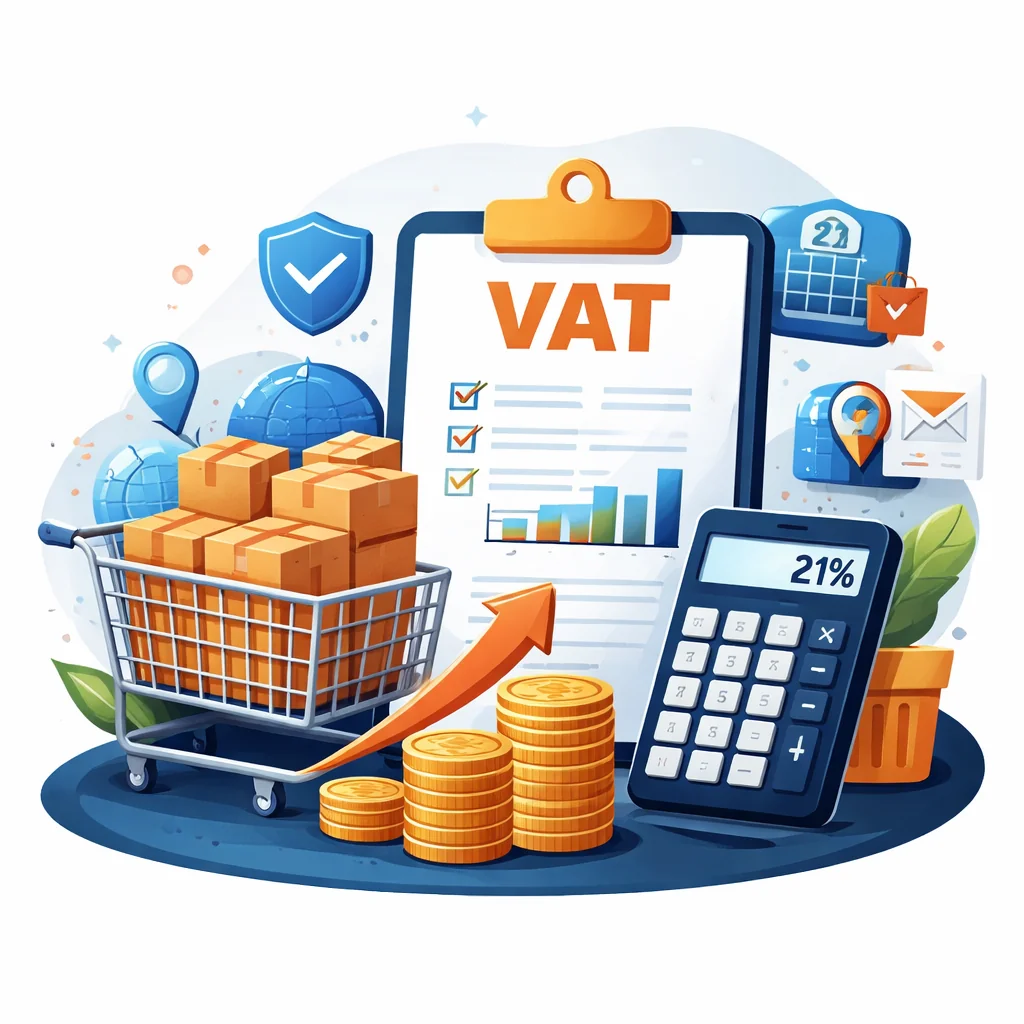



Aligning Your Corporate Tax Flows with Daily Operations
Once VAT registration is complete, it becomes part of everyday business activity. From issuing invoices to tracking financial data, each step must connect properly to maintain accuracy. Keeping these processes aligned helps avoid disruptions and assists in the consistent handling of reporting needs.
Consistent Invoice Practices
Maintaining a uniform invoice structure across all transactions helps ensure clarity in VAT handling. Exhibiting your formal Irish VAT registration number clearly on all customer invoices reduces transaction friction and assists accurate reporting by keeping all records aligned.
Transaction Flow Visibility
Having a clear idea of the transaction process helps in improving the overall control of the business over tax data. When transactions are tracked consistently through proper accounting tools, it becomes easier to maintain clean historical records.
Balanced VAT Tracking
Managing the relationship between output VAT collected from consumers and input VAT paid to suppliers helps maintain financial clarity. When this balance is monitored regularly, it reduces the risk of cash flow mismatches and supports better fiscal outcomes.
Data Accuracy in Reporting
Accurate reporting relies on reliable data collected over time. When transaction records are maintained carefully, they become immediately accessible to generate tax summaries that reflect actual business activity.
Document Consistency
Supporting documents must match transaction data and invoices perfectly. Keeping papers consistent across your corporate ledgers helps avoid discrepancies and makes it much easier to handle regular verification requirements.
Timely Submission Planning
Planning submissions in advance helps avoid last-minute pressure and reduces the chances of delays. A structured timeline built around standard bi-monthly deadlines (typically the 19th of the following month) allows companies to stay on track.
Adapting to Process Changes
As business operations evolve, VAT processes may need some adjustments. Updating digital frameworks when rates fluctuate between the standard 23 percent, 13.5 percent, or 9 percent bands helps maintain structural alignment.
Internal Review Practices
Regular checks of tax-related data help identify inconsistencies early. Reviewing the transaction logs before final digital submission helps in maximizing structural accuracy. This improves overall control over corporate accounting processes.
Ensure Complete Accuracy in Irish Tax Administration
As transaction volumes grow, managing VAT without a structured system can become hard. Small inconsistencies in your bi-monthly VAT3 digital filings or reporting data may lead to severe Revenue enforcement audits if not addressed early. A more organized approach helps bring clarity to daily processes, making it simple to navigate the full VAT registration process Ireland demands, manage 23 percent standard invoices, and prepare accurate annual Return of Trading Details (RTD) summaries. When systems are aligned, businesses can significantly reduce manual effort and completely eliminate the risk of statutory €4,000 fixed recordkeeping penalties.

Our Strategic Onboarding Roadmap
Requirement Identification
The process starts with understanding how the VAT registration requirements Ireland mandates apply to your operations. This step simply helps in defining the scope clearly, identifying whether your business activities fall under compulsory goods or services thresholds, and makes sure that the right approach is followed from the start.
Information Management
We structure all the relevant business data in a clear format before final submission. Proper management at this stage reduces confusion and ensures that your VAT registration form for Ireland portfolio, typically a digital Form TR1 or Form TR2 setup, contains complete and accurate data to speed up processing times.
Application Submission
We submit the registration application with all the necessary details. Managing this step carefully helps avoid interruptions caused by incomplete portfolios, utilizing professional VAT registration services Ireland to coordinate smoothly with the Revenue Commissioners through the online portal.
Post-Registration Alignment
Once the registration process is completed, business processes are adjusted to align with VAT requirements. This involves formatting your invoices correctly, tracking intra-EU acquisitions, and scheduling your bi-monthly VAT3 tax return filings accurately to establish operational stability.
Adopt a Dependable Strategy for European Tax Compliance
VAT management requires consistency across multiple areas, including data handling, documentation, and reporting. When all these elements are not aligned, it can create operational confusion and increase corporate risk over time.
A stable approach focuses on clarity and coordination, helping companies maintain control over their processes. With the right structure in place, it becomes much easier to manage your ongoing obligations without tax-related disruptions.



Comprehensive Corporate Advisory Systems
VAT handling often connects with other operational areas that need structured coordination for hassle-free functioning.

-min.webp)
What Our Clients Say About FirmNL
Start Your VAT
Registration

Ireland
Dutch
Business
VAT registration plays a direct role in how businesses manage transactions and maintain structured operations. When handled properly, it supports better control over invoicing, reporting, and overall financial processes. A transparent setup helps avoid structural delays and creates a strong base for managing future obligations under Irish tax laws. Businesses that start with the right structure are better positioned to handle growth without operational challenges.